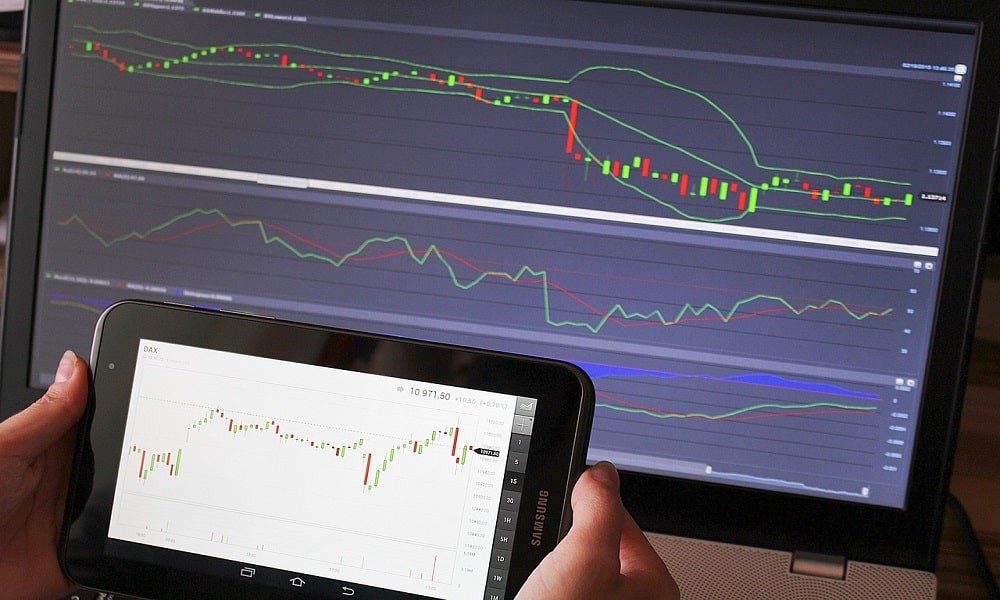
The Indian stock market has witnessed a remarkable transformation over the last few years. Young professionals, small business owners, salaried employees, and even college students are actively participating in wealth creation through the stock market. With the rise of digital platforms and simplified onboarding processes, opening a Demat Account has become easier than ever before. At the same time, many traders are exploring Option Trading as a way to manage risk and generate potential returns from market movements. The increasing accessibility of trading apps, educational resources, and real-time market data has encouraged retail investors across India to understand market strategies in greater depth and take informed financial decisions.
The Growing Popularity of Stock Market Participation in India
India’s monetary turmoil evolves in unpredictable ways due to financial concentration and net inflows. In the past, investing in stocks changed from being typically considered complex and limited to skilled buyers. Today, this approach has ended up being remarkably person-friendly, allowing people with unusual backgrounds to participate in the market with confidence. Discount brokers, mobile buy-sell packages, and low-fee investment offers have created a new technology for traders who choose to manage their investments independently.
The shift to virtual finance has been supported by a faster KYC verification infrastructure and seamless banking integration. Investors can now open financing loans online within a quick time frame without extensive bureaucratic work. This facility supported additional participation from tier 2 and tier 3 cities and has been instrumental in expanding retail buying and selling activities in India.
Another important factor behind this growth is monetary education. Social media channels, webinars, online publications, and market analysis platforms support innovators in capturing ideas with derivatives, market trends, technical markers, and portfolio diversification. The investors do not rely solely on traditional advice but gain actionable knowledge and build on their investment techniques.
Understanding the Importance of Long-Term Financial Discipline
Entering the stock market without a clear methodology can lead to emotional judgment. Successful investors regularly take note of discipline, endurance, and risk management rather than chasing short-term gains. Creating financial plans is important because the stock market is bound to fluctuate due to monetary activity, global trends, brokerage revenues, and investor sentiment.
Long-term money coming in requires stability and sensible expectations. Investors who approach the market with a relaxed mindset are often better able to deal with volatility. Instead of reacting unpredictably to a short-term rate hike, disciplined buyers evaluate the company’s fundamentals, market conditions, and monetary growth potential over a longer period of time.
Risk management also plays a first-class function in capital preservation. Many investors fail because they invest large amounts of money without considering information-related risk. Diversification and balanced risk across entire sectors can reduce unnecessary losses. Learning to manage emotions that include anxiety and greed is equally important to achieving a sustainable investment.
Why Financial Literacy Matters for Retail Investors
Financial literacy is becoming one of the most valuable skills in today’s economy. Understanding basic investment concepts helps individuals make smarter decisions about savings, taxes, retirement planning, and wealth creation. In India, financial literacy initiatives are gaining momentum as more people realise the importance of investing early.
Retail investors who understand market behaviour are less likely to fall for rumours or speculative traps. They can evaluate financial products based on their own research rather than blindly following trends. This awareness improves decision-making and builds confidence in handling market uncertainty.
One of the biggest advantages of financial literacy is the ability to identify suitable investment opportunities according to personal goals. A young salaried professional may prefer growth-focused investments, while a retiree may prioritise stability and income generation. Understanding risk tolerance allows investors to align their strategies with financial objectives.
The growing accessibility of educational content has made learning easier than ever. Investors can access market tutorials, company reports, financial news, and analytical tools directly from their smartphones. This democratisation of financial information is creating a more informed investor community across India.
Technology Has Changed the Way Indians Invest
Technology has revolutionised investing by making trading systems faster, smarter, and more accessible. In the past, inventory market transactions required vendor intervention and physical documentation. Today, traders can use mobile applications with better analytical capabilities to execute trades instantly.
Provides live charts, technical symbols, market information and a portfolio tracking system in one screen of a modern trading system. This allows traders to effectively reveal their investments and react quickly to market trends. Artificial intelligence and algorithm-based guides are becoming popular among live shoppers.
The comfort of digital investing has dramatically reduced the barriers to entry. Investors can start with surprisingly small amounts and increase their stake regularly as they leverage the trust. Features that include SIP investments, computerised alerts, and instant fund transfers have advanced the enjoyment of the total investment.
Over the years, cybersecurity and regulatory oversight have further improved. Indian financial authorities will continue to strengthen regulatory measures to protect investors’ dignity and transparency within the economic environment. Secure authentication technology and encrypted transactions provide additional confidence to trade participants.
The Role of Research Before Making Investment Decisions
Research is the backbone of successful investing. Investors who rely solely on market rumours often face unnecessary risks and losses. Conducting proper analysis helps individuals understand company performance, industry trends, economic indicators, and future growth prospects before investing.
Fundamental analysis focuses on evaluating a company’s financial health through factors such as revenue growth, profitability, debt levels, and management quality. This approach helps investors identify businesses with strong long-term potential. Technical analysis, on the other hand, studies price movements and chart patterns to predict short-term market trends.
Combining both approaches can improve investment decision-making. While fundamentals provide confidence in a company’s long-term prospects, technical indicators can help identify better entry and exit points. Investors who regularly monitor market developments are often better prepared for changing conditions.
Another important aspect of research is understanding sector performance. Different industries react differently to economic cycles, government policies, and consumer demand. Keeping track of sector-specific developments can help investors identify emerging opportunities within the Indian market.
Building a Balanced Investment Portfolio
Creating a balanced portfolio is critical to managing risk effectively. Many beginners make the mistake of focusing their investments on one list or quarter. While this can provide short-term gains to some degree with favourable conditions, it can also lead to significant losses during a market downturn.
Diversification can spread risk across multiple assets and sectors. A balanced portfolio can include equity, mutual funds, fixed income instruments, and various cash items depending on the demand for food risk and the investor’s financial goals.
Investors should also periodically evaluate their portfolios. Market conditions and personal financial goals can shift over the years, making it important to rebalance your investments. Regular monitoring ensures that the department remains aligned with long-term goals.
Patience is the key detail of successful department management. Introducing money within the stock market often takes time, and buyers who stick to their strategies through volatile intervals are much more likely to achieve frequent results.
The Future of Retail Investing in India
India’s retail investment ecosystem is expected to grow significantly in the coming years. Rising disposable incomes, increasing digital adoption, and growing financial awareness are creating favourable conditions for broader market participation. Younger generations are showing strong interest in understanding investments and building long-term wealth.
Government initiatives promoting digital infrastructure and financial inclusion are also supporting this transformation. More individuals are now viewing investing as an essential part of financial planning rather than a luxury reserved for experienced professionals.
As competition among brokerage firms increases, investors can expect better services, improved technology, and lower transaction costs. Educational resources and investor protection measures are likely to become even more advanced, encouraging responsible investing practices.
The future of investing in India appears highly promising for individuals willing to learn, stay disciplined, and approach the market with realistic expectations. Financial success in the stock market is not built overnight. It grows steadily through informed decisions, consistent effort, and a willingness to adapt to changing market conditions.
Conclusion
The Indian stock market offers significant opportunities for individuals seeking financial growth and long-term wealth creation. With increasing digital accessibility and growing awareness about investing, retail participation continues to expand across the country. Investors who focus on research, discipline, and balanced portfolio management are better equipped to navigate market fluctuations successfully.
Technology has simplified the investment process, but success still depends on knowledge, patience, and risk management. Understanding market fundamentals, staying informed, and maintaining a long-term perspective can help investors make smarter financial decisions. As India’s investment ecosystem continues evolving, informed retail investors are likely to play an increasingly important role in shaping the future of the financial markets.