Key Takeaways
- Proper setup and calibration ensure accurate signal readings.
- Choosing the right oscilloscope current probe is essential for reliable measurements.
- Understanding waveform basics helps prevent costly misinterpretations.
- Investing in quality tools matters when planning to buy an oscilloscope.
Introduction
Oscilloscopes can look intimidating at first glance. Buttons everywhere, waveforms flickering, and a screen that seems to speak its own language. But once understood, they become one of the most dependable tools in electronics testing.
For engineers, technicians, or even curious hobbyists in Singapore, mastering an oscilloscope means seeing signals as they truly are. Not guesses, not assumptions—just clean, visual truth. The difference between a stable system and a failing one often lies in how well signals are measured and interpreted.
This article breaks things down simply. Understanding how to use modern test and measurement equipment effectively helps users achieve more reliable diagnostics and signal analysis. From setup to probe selection, it connects practical usage with reliable equipment solutions.
Getting Started: Setting Up Without the Guesswork
First things first, setup matters more than many expect. A poorly configured oscilloscope can lead to misleading readings. And honestly, that’s where most errors begin.
Start by connecting the probe properly and ensuring the grounding is secure. It sounds basic, but a loose ground clip can distort signals in surprising ways. Next, adjust the vertical scale (voltage) and horizontal scale (time base) so the waveform fits neatly on the screen.
Auto-set functions are helpful, but they’re not perfect. Manual tweaking often gives a clearer picture, especially when dealing with complex signals.
This is where quality equipment comes into play. When planning to buy an oscilloscope, reliability should be a priority. Some devices are built for consistency, helping users avoid the frustration of fluctuating readings or unclear displays.
Choosing the Right Probe: More Than Just an Accessory
Probes are not just add-ons. They are part of the measurement system itself. And choosing the wrong one? That can throw everything off.
A standard voltage probe works well for many applications. However, when measuring current, a dedicated oscilloscope current probe becomes essential. It allows accurate current measurement without breaking the circuit, which is both safer and more efficient.
Think of it like using the right lens for a camera. The wrong lens distorts the image; the right one captures clarity. Similarly, a high-quality oscilloscope current probe ensures the signal is represented accurately, without noise or loss.
Reading the Waveform: What Is It Really Saying?
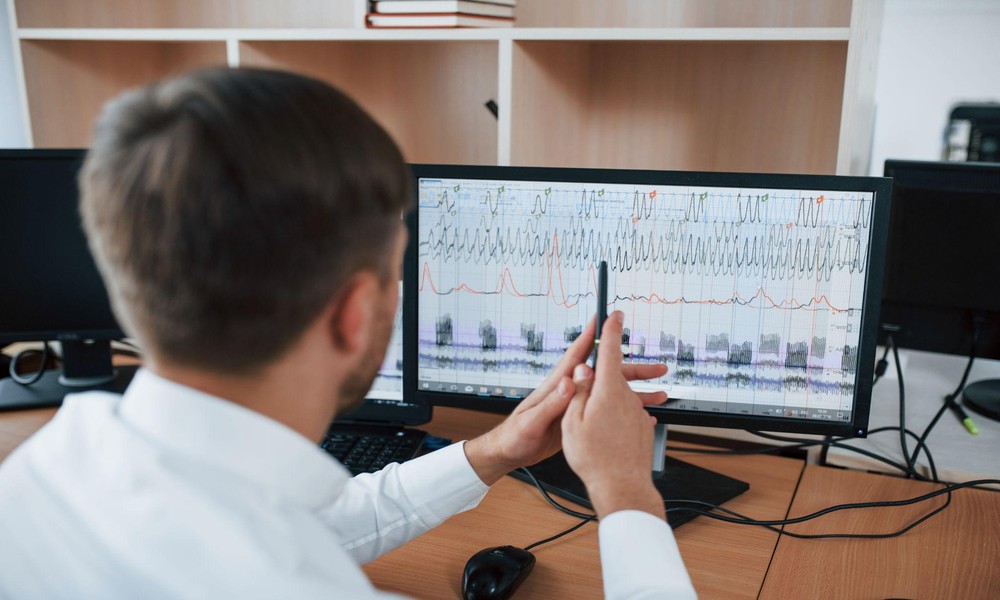
Once the signal appears on screen, the real work begins. Interpreting waveforms requires a bit of patience, but it becomes intuitive over time.
Look at the amplitude first. Is the voltage within expected limits? Then check frequency—does it match the system design? Any irregular spikes or noise could indicate underlying issues. This level of signal analysis is particularly important when validating performance within a HIL system used for real-time simulation and testing.
Sometimes, the waveform looks fine at a glance but hides subtle problems. That’s where features like zoom and measurement cursors help. They allow closer inspection, revealing details that might otherwise be missed.
Interestingly, even experienced users occasionally second-guess their readings. It happens. The key is consistency in approach and using dependable tools. High-quality test and measurement equipment also improves repeatability, especially when troubleshooting sensitive electronic systems. When planning to buy an oscilloscope, investing in one with advanced analysis features can make a noticeable difference.
Accuracy Matters: Small Details, Big Impact
Accuracy is not just about the device. It’s about habits, too.
Calibration should be done regularly. Accurate calibration becomes even more critical when an oscilloscope is integrated into a HIL system for complex electronics validation workflows. Environmental factors like temperature and electrical interference can affect readings. Even cable positioning can introduce noise.
Using a reliable oscilloscope current probe also plays a role here. Poor-quality probes can introduce errors that are difficult to trace. It’s frustrating, especially when everything else seems correct.
Conclusion
Using an oscilloscope effectively is a mix of understanding, practice, and having the right tools at hand. From proper setup to choosing the correct probe, each step contributes to accurate signal analysis.
For those working in electronics, the decision to buy an oscilloscope should go beyond price. It should focus on performance, durability, and support. After all, reliable measurements lead to better decisions, and better decisions keep systems running smoothly.
To explore high-quality oscilloscopes and probes tailored for precise measurements, contact Genetron Singapore today.