Key Takeaways
- Professional gas detection services ensure that sensors remain accurately calibrated to detect toxic or flammable leaks before they reach dangerous levels.
- Regular maintenance and sensor testing prevent equipment failure, which protects both the workforce and expensive industrial infrastructure.
- Adhering to a structured gas detection programme helps organisations meet strict occupational health and safety regulations while reducing liability.
Introduction
Industrial environments harbour hidden dangers that the human senses cannot detect. Many hazardous gases remain colourless, odourless, and tasteless, making them impossible to identify without specialised instrumentation. Whether in chemical processing plants, refineries, or confined spaces, the presence of volatile organic compounds or combustible gases poses a constant threat to life and property. Implementing a robust gas detection service provides a necessary layer of protection by identifying these threats in real-time. This proactive approach allows safety managers to initiate evacuation protocols or mechanical shutdowns before a minor leak escalates into a catastrophic event. Organisations that prioritise operational continuity and worker welfare must understand the mechanical and procedural aspects of these services.
Technical Precision and the Necessity of Regular Calibration
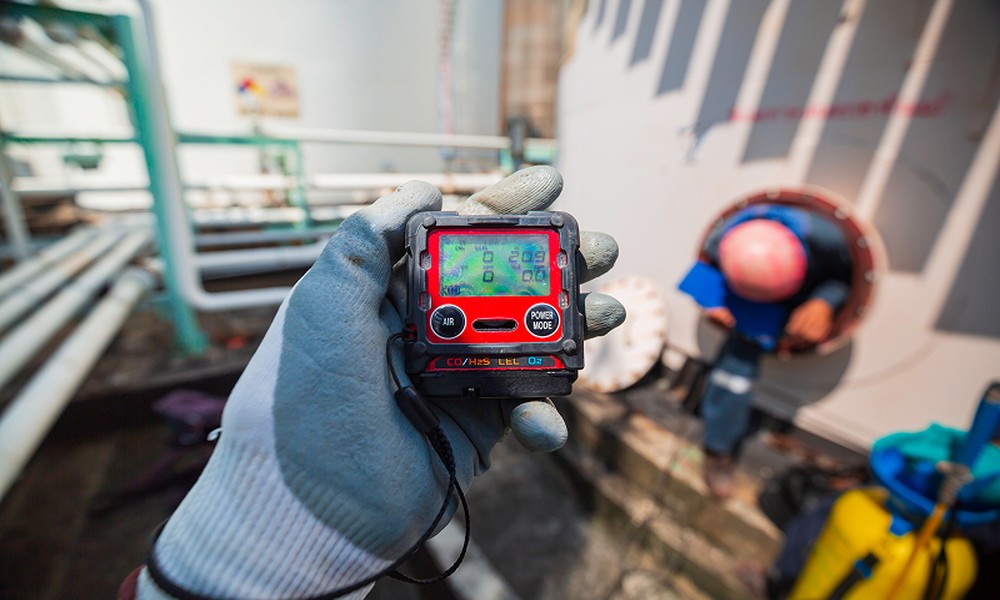
The reliability of a gas monitoring system depends entirely on the accuracy of its sensors. Over time, sensors experience drift due to environmental factors such as temperature fluctuations, humidity, and exposure to high concentrations of contaminants. A professional gas detection service involves rigorous bump testing and calibration to ensure the devices respond correctly to specific gas concentrations. Providers such as Ansac Technology provide these technical assessments to verify that every portable and fixed detector functions within its manufacturer-defined parameters. Without regular calibration, a sensor might fail to trigger an alarm during a leak, or it might produce false positives that lead to unnecessary and costly downtime.
Furthermore, the mechanical integrity of the detection network requires periodic inspection of the sampling pumps, filters, and electrical connections. In large-scale industrial facilities, fixed detectors often sit in harsh or inaccessible locations where dust and moisture can clog the intake vents. A comprehensive gas detection service includes a physical audit of these components to ensure unobstructed airflow to the sensing elements. Ansac Technology technicians check for signs of corrosion or sensor poisoning, which is a condition where certain chemicals permanently deactivate the sensing material. By maintaining the physical health of the equipment, organisations reduce the risk of hardware failure at critical moments. This systematic upkeep ensures that the technology remains a dependable asset rather than a dormant liability.
Compliance, Liability, and Workplace Safety Standards
Adhering to national and international safety regulations is not merely a legal requirement but a fundamental aspect of corporate responsibility. Regulatory bodies mandate that companies operating in high-risk sectors must demonstrate a verified history of equipment maintenance and safety drills. A documented gas detection service provides the evidentiary trail needed during safety audits or insurance inspections. These records prove that the organisation takes reasonable steps to mitigate atmospheric hazards. A safety solutions provider assists companies in maintaining these compliance logs, ensuring that every service interval is recorded and every sensor replacement is tracked. This level of documentation protects the company from legal repercussions and demonstrates a commitment to transparency.
Beyond legal compliance, a structured gas monitoring programme fosters a culture of safety among the workforce. Employees feel more confident performing their duties in confined spaces or around heavy machinery when they know that a reliable gas detection service supports their environment. This psychological security improves morale and productivity, as workers can focus on their tasks without constant anxiety about invisible hazards. Ansac Technology also offers training as part of its service scope, teaching personnel how to interpret alarm signals and perform basic field checks. When workers understand the capabilities and limitations of their detectors, they become the first line of defence against industrial accidents. Ultimately, the integration of professional servicing and employee education creates a resilient safety ecosystem that protects the most valuable asset of any company, which is its people.
5 Essential Components of a Gas Monitoring Programme
- Bump Testing – Performing a daily functional check by exposing the sensor to a known concentration of gas to verify the alarm triggers.
- Full Calibration – Adjusting the sensor’s internal settings against a certified traceable gas standard to ensure reading accuracy.
- Sensor Replacement – Identifying and replacing depleted electrochemical or catalytic bead sensors before they reach the end of their lifecycle.
- Data Logging – Analysing the historical records of near-miss events to identify specific areas in the plant that require better ventilation.
- Battery Management – Testing the lithium-ion or alkaline power sources in portable units to prevent unexpected power loss during a shift.
Conclusion
The complexity of modern industrial operations demands a sophisticated and unfailing approach to atmospheric monitoring. A professional gas detection service acts as the foundation of an effective safety strategy, bridging the gap between hardware installation and long-term reliability. Firms like Ansac Technology provide the specialised knowledge and technical support required to keep these systems operational in the most demanding conditions. By prioritising regular calibration and compliance documentation, businesses protect their employees from the silent threat of toxic leaks. Investing in these services is a practical necessity that ensures the physical integrity of the plant and the continued health of the workforce. In an environment where the smallest leak can have devastating consequences, a well-maintained detection system provides the peace of mind needed to operate safely and efficiently every day.
Protect your industrial assets and ensure the safety of your workforce with a reliable and professional gas monitoring strategy. Contact Ansac Technology to schedule a comprehensive service audit for your facility.