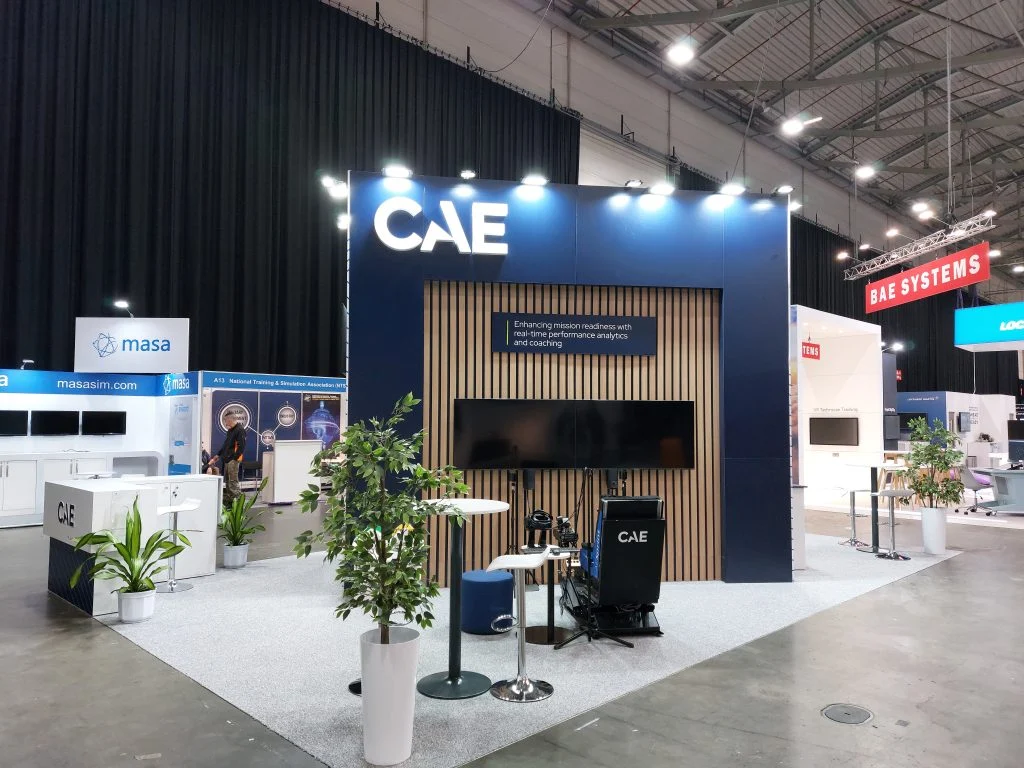
Trade show booths have come a long way from simple table displays and fabric banners. Today’s exhibitors are leveraging cutting-edge materials and technologies to create immersive, memorable experiences that captivate audiences and set their brands apart. Staying up to date on these innovations can give you a competitive edge, helping you design a booth that’s not only visually stunning but also functional and sustainable.
Here’s a look at some of the most exciting innovative materials and technologies transforming trade show booth design.
1. Lightweight and Sustainable Materials
Exhibitors are increasingly prioritizing eco-friendly options that reduce weight, waste, and carbon footprint without compromising quality or aesthetics.
- Recyclable Aluminum Frames: Strong, durable, and lightweight, aluminum modular systems allow for easy assembly and breakdown. They’re also reusable and recyclable, making them a top choice for sustainable booths.
- Fabric Graphics with Dye-Sublimation Printing: These wrinkle-resistant, lightweight fabrics produce vivid, seamless visuals and are fully recyclable. Fabric also reduces shipping weight and costs compared to traditional vinyl.
- Biodegradable and Recycled Materials: Some booths now incorporate panels made from recycled plastics, bamboo, or other sustainable composites. These materials align with green brand values and appeal to environmentally conscious attendees.
2. LED and OLED Lighting Panels
Lighting technology has evolved beyond standard bulbs to ultra-thin, energy-efficient panels that can be integrated directly into booth structures.
- LED Light Boxes: These backlit panels create vibrant, even illumination for graphics and signage, helping brands stand out in dim or crowded environments.
- OLED (Organic LED) Displays: OLEDs offer brilliant colors and flexible design options, including curved or transparent screens. Though pricier, they’re gaining popularity for high-end, futuristic booths.
- Dynamic Lighting Effects: Programmable LEDs can change color, intensity, or pattern, allowing brands to create eye-catching animations or mood shifts that draw attention.
3. Interactive Touchscreens and Digital Displays
Static visuals are giving way to interactive, engaging digital content that invites visitors to explore products and services on their own terms.
- Multi-Touch Tables and Kiosks: These encourage hands-on exploration and allow multiple users to interact simultaneously.
- Video Walls: Large, high-resolution LED or LCD screens create immersive storytelling environments. Combining video, animation, and graphics, video walls are perfect for product demos, customer testimonials, or live feeds.
- Augmented Reality (AR): AR apps let visitors use tablets or smartphones to see virtual objects overlaid on the real world—like trying a product in a virtual environment or visualizing customizations.
4. Virtual Reality (VR) Experiences
VR has become a powerful tool for demonstrating complex products, services, or environments that are difficult to showcase physically.
- Fully Immersive VR Booths: With headsets and motion tracking, visitors can dive into simulated experiences—walking through a building, testing machinery, or visualizing data.
- Standalone VR Stations: Smaller setups that provide quick demos or previews of VR content, allowing for more visitors to try without long waits.
Integrating VR creates a memorable impression and gives your brand a tech-forward reputation.
5. 3D Printing for Custom Booth Elements
3D printing technology enables rapid, cost-effective production of custom components that add unique flair to booths.
- Custom Fixtures and Signage: Design intricate shapes, logos, or branded decor that stand out.
- Prototyping Product Models: Showcase miniature or full-scale models of products, especially useful for industries like manufacturing, architecture, or consumer goods.
3D printing also shortens turnaround times, making last-minute design changes easier to accommodate.
6. Smart Sensors and Data Integration
The latest booths use sensors and data analytics to improve engagement and measure success in real time.
- Foot Traffic Counters: Track how many visitors enter and linger in your booth.
- Heat Mapping: Identify which areas attract the most attention, helping you optimize layout and displays.
- Lead Capture Automation: Integrate badge scanners or mobile apps that automatically collect visitor information for follow-up.
Data-driven booths allow for continuous improvement and more precise marketing efforts.
7. Modular and Portable Designs
While not a technology per se, modular booth systems use innovative engineering and materials to offer flexibility and ease of transport.
- Tool-Free Assembly: Many modern modular systems can be assembled quickly without specialized tools, saving time and labor costs.
- Lightweight Components: Materials like aluminum and fabric reduce shipping expenses and setup fatigue.
- Customizable Layouts: Modular parts can be reconfigured for different event sizes and spaces, maximizing reuse.
Final Thoughts
The future of trade show booth design is bright—and it’s powered by innovation. Incorporating new materials and technologies not only enhances the visitor experience but also drives operational efficiencies and supports sustainability.
Whether you’re looking to wow attendees with dynamic lighting, engage them with AR/VR, or streamline your booth setup with modular systems, these advancements can help you build a memorable presence that truly stands out.
Staying current on these trends ensures your trade show investment pays off—not just today, but for many events to come. We recommend Trade Show Booth Design.