Introduction
A great hiring experience does not end with a job offer or even a rejection. To truly understand and improve the candidate journey, organisations must listen to what applicants have to say. Gathering feedback from candidates is a crucial step in closing the loop, allowing recruitment teams to uncover blind spots, strengthen employer branding, and enhance the overall hiring process.
Why Candidate Feedback Matters
Candidate feedback provides insights that are difficult to capture from analytics alone. It reveals how applicants truly feel about the process, from the moment they view a job posting to the outcome. Whether positive or negative, this feedback holds immense value for identifying strengths and addressing gaps.
Key reasons why feedback is essential:
- Enhances candidate experience for future applicants
- Helps uncover hidden process inefficiencies
- Supports the continuous improvement of hiring strategies
- Makes data-driven decisions
- Builds trust and reputation as a responsive employer
When to Collect Feedback
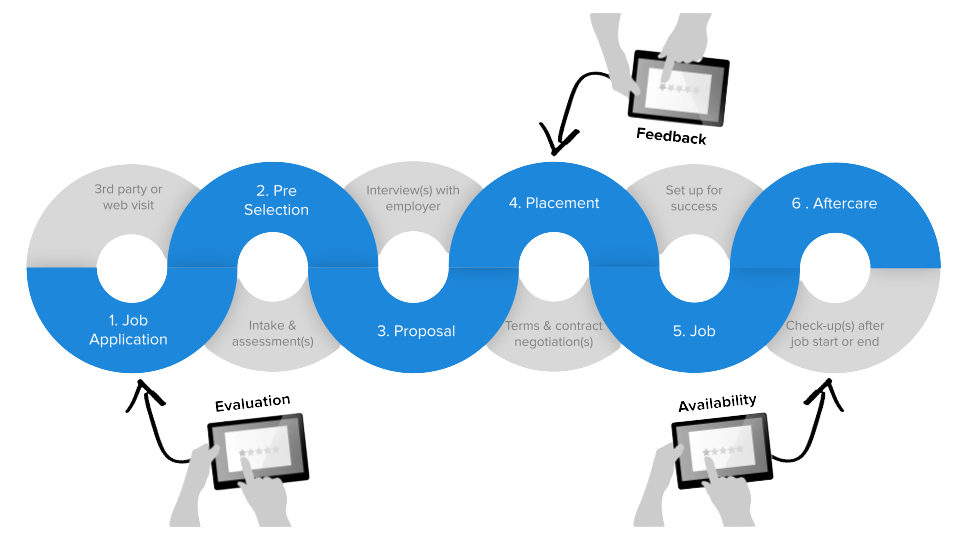
Timing plays a critical role in the effectiveness of feedback collection. Different touchpoints throughout the recruitment cycle offer unique perspectives.
Ideal stages to gather feedback include:
1. Post-application:
Understand the clarity and ease of the application process
2. After interviews:
Evaluate communication, fairness, and professionalism
3. Post-hiring decision:
Gauge satisfaction, regardless of selection outcome
4. Post-onboarding:
Learn how well expectations matched reality
By targeting each stage, you can create a full picture of the candidate journey.
Effective Methods to Gather Feedback
To collect meaningful insights, the process must be easy, confidential, and respectful of the candidate’s time.
Recommended feedback methods:
1. Surveys:
Short, focused questionnaires that ask about specific stages
2. Open-ended questions:
Allow candidates to share detailed thoughts and suggestions
3. Anonymous feedback forms:
Encourage honesty, especially from rejected candidates
4. Follow-up emails:
Personalised messages with a feedback request link
5. Exit interviews:
For those who decline offers or leave early
Make sure questions are clear, non-biased, and easy to respond to on any device.
Key Areas to Measure
Understanding what to ask is just as important as how you ask it. Focus on gathering feedback on areas that impact the candidate’s perception and experience.
Important focus points include:
- Ease of application process
- Quality and speed of communication
- Transparency of job roles and expectations
- Professionalism of interviewers
- Feedback provided during or after the process
- Overall satisfaction with the experience
These metrics can be translated into KPIs to monitor ongoing improvements.
Turning Feedback into Action
Collecting feedback is only the first step. Acting on it shows candidates that their opinions matter and demonstrates a commitment to improvement.
Best practices for using feedback:
- Analyse data regularly to spot trends
- Share insights with hiring managers and recruiters
- Implement changes based on consistent issues
- Close the loop by informing candidates of improvements made
- Track changes over time to measure success
Conclusion
In today’s competitive hiring landscape, candidate experience is more than just a buzzword; it is a business priority. Gathering and acting on candidate feedback not only improves recruitment outcomes but also strengthens employer reputation and trust.
By closing the loop, organisations show they are listening, learning, and committed to delivering the best possible journey for every applicant.