Shipping is more than just mobile products from individual place to another—it directly affects profit margins, customer satisfaction, and overall business progress. For associations that ship merchandise exactly, the main question is either to choose Less-Than-Truckload (LTL) conveyance or parcel shipping.
Both ltl vs parcel have their benefits, but the original cost of funds in the end depends on shipment altitude, frequency, and transfer needs.
Understanding the Basics
1. What is LTL Shipping?
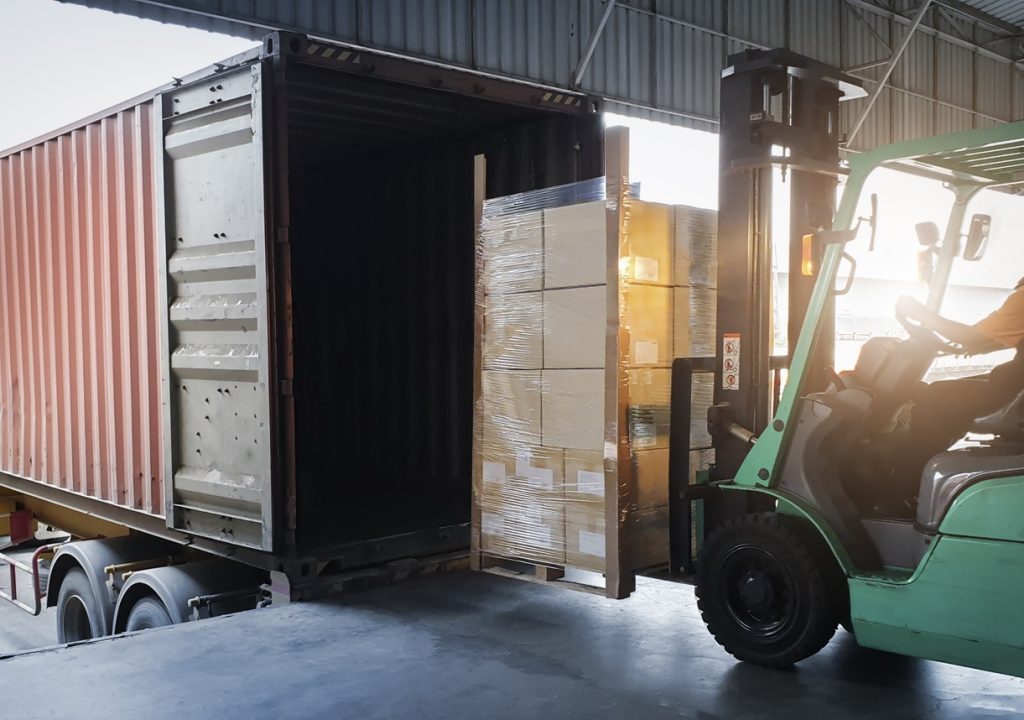
Less-than-truckload (LTL) transportation way diversified trades to share space in a single truck. Each sender pays for only the portion of space their merchandise takes up.
- Ideal for shipments over 150 lbs but not large enough to fill a complete truck.
- Often used for palletized shipments that are smooth to handle.
- Pricing depends on weight, ranges, freight class, and distance.
2. What is Parcel Shipping?
Parcel ships cover smaller, easier packages, generally inferior 150 lbs. It’s the lowest method for eCommerce and direct-to-service businesses.
- Best for individual orders or limited boxes.
- Cost is calculated utilizing weight and dimensional (DIM) pressure pricing.
Short-Term vs. Long-Term
1. LTL Shipping
- Economies of scale: Larger, combined shipments reduce per-part shipping costs.
- Predictable costs for persisting bulk orders.
- Extra commissions may apply for duties like liftgate delivery or dwellings drop-off.
2. Parcel Shipping
- Lower straightforward costs for small, individual whole.
- Dimensional weight charges can increase costs for huge but light items.
Looking Beyond Price: Long-Term Value
Cost isn’t the only determinant. Long-term value further depends on efficiency, scalability, and client experience.
1. LTL Advantages
- Lower damage risk cause items are palletized.
- Better suited for most B2B shipments.
- Scales well with increasing order volumes.
2. Parcel Advantages
- Perfect for dwellings, delivery, and limited items.
- Faster transportation times for individual packages.
- Easier for following and last-mile duty.
When Each Method Saves You More
Choosing between LTL and group depends on your shipping description:
1. LTL saves more when:
- Shipments are larger than 150 lbs but not a complete truckload.
- You regularly ship to classification centers or wholesalers.
- Orders are palletized and sent all-inclusive.
2. Parcel saves more when:
- Orders are lightweight and frequent.
- You do many residential consumers.
- Customers expect fast beginning delivery.
Things to Consider
- LTL shipping is a better complete investment for associations handling size, repeat orders.
- Parcel shipping is ideal for limited, scattered deliveries place speed matters most.
- Many businesses benefit from a hybrid model—utilizing LTL for bulk shipments and part for smaller, consumer-specific orders.
Conclusion
The conclusion between LTL and part shipping is not just about today’s shipping costs—it’s about the future of your operations. Businesses that study their shipping needs carefully can open significant general savings while also improving efficiency and consumer satisfaction.
Ultimately, a high-quality strategy may not be choosing just one individual method but joining both. By using group for small deliveries and LTL for best shipments, companies can gain the perfect balance of savings, speed, and dependability.